


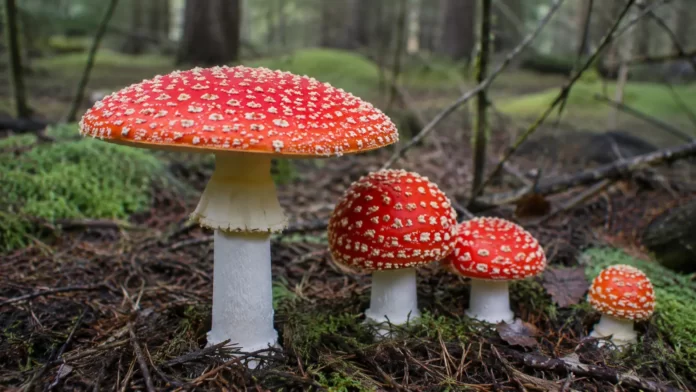
The short answer is: yes, but not in the same way as classic psychedelics like psilocybin or LSD.
Amanita muscaria, also known as the fly agaric mushroom, is famous for its bright red cap with white spots. It has been used in traditional rituals and folklore for centuries, especially in parts of Siberia and Northern Europe. In recent years, it has become more visible online through gummies, tinctures, teas, and dried mushroom products marketed for relaxation or altered states.
But many people are confused about whether it is actually psychedelic. The answer depends on how you define the term.
What Is Amanita Muscaria?
Amanita muscaria is a mushroom species that naturally contains compounds called muscimol and ibotenic acid. These compounds affect the brain differently from the substances found in “magic mushrooms.”
Traditional psychedelic mushrooms usually contain psilocybin, which mainly interacts with serotonin receptors. Amanita muscaria works through the GABA system instead, which is more closely linked to sedation and changes in consciousness.
Because of this, the experience can feel very different from a typical psychedelic trip.
Is Amanita Muscaria a Hallucinogen?
Yes. Amanita muscaria can cause hallucinations, altered perception, vivid dreams, and changes in thinking. For that reason, many people classify it as a psychoactive hallucinogen.
However, researchers usually separate it from “classic psychedelics” because its chemistry and effects are unique.
Some reported effects include:
- Dream-like states
- Distorted perception of time
- Euphoria or confusion
- Visual changes
- Strong sedation
- Feeling disconnected from the body
- Unusual thoughts or looping sensations
At higher doses, side effects can become unpleasant or dangerous.
How Does the Experience Compare to Psilocybin Mushrooms?
People often expect Amanita muscaria to feel similar to psilocybin mushrooms, but many users report a completely different experience.
Psilocybin is usually associated with:
- Emotional introspection
- Visual patterns
- Enhanced colors
- Spiritual experiences
- Increased emotional sensitivity
Amanita muscaria is more commonly linked to:
- Heavy body sensations
- Drowsiness
- Delirium-like effects
- Lucid dreaming
- Confusion or disorientation
- Sedative effects
Some people describe it as more “dreamy” than psychedelic.
What Makes Amanita Muscaria Psychoactive?
The main active compounds are:
- Muscimol: the primary psychoactive compound responsible for most mind-altering effects
- Ibotenic acid: a compound that can contribute to nausea and neurotoxic effects
When Amanita muscaria is dried properly, some ibotenic acid converts into muscimol. This is one reason why preparation methods matter so much.
The mushroom is toxic when consumed raw.
Potential Medicinal Uses of Amanita Muscaria
Amanita muscaria has a long history of traditional medicinal use in parts of Scandinavia, Eastern Europe, and Russia. Historical reports describe its use for pain relief, relaxation, inflammation, and sleep support.
Modern research mainly focuses on muscimol, the mushroom’s main psychoactive compound. Early studies suggest it may help with:
- Stress and anxiety
- Muscular pain
- Sleep quality
- Neuroprotective activity
Some users also report benefits from microdosing Amanita muscaria, including reduced insomnia and addiction cravings. However, most of these claims still lack large clinical studies, and the mushroom can be toxic if improperly prepared.
Can Amanita Muscaria Be Dangerous?
Yes. Although fatalities are uncommon, Amanita muscaria can cause serious side effects, especially in high amounts or when improperly prepared.
Possible symptoms include:
- Nausea and vomiting
- Sweating
- Dizziness
- Muscle twitching
- Confusion
- Agitation
- Loss of coordination
- Delirium
In severe cases, people may require medical attention.
There is also a significant risk of misidentifying mushrooms in the wild. Some toxic mushroom species can resemble Amanita muscaria or grow nearby.
Is Amanita Muscaria Legal?
The legal status of Amanita muscaria varies by country and region.
In many places, Amanita muscaria itself is not specifically banned. However:
- Products containing it may still face restrictions
- Some countries prohibit psychoactive mushroom sales broadly
- Regulations can change quickly
- Certain extracts or commercial products may fall under food or supplement laws
Always check local laws before purchasing, possessing, or consuming any psychoactive substance.
So, is Amanita muscaria psychedelic?
Yes, in the broad sense that it alters perception and consciousness. But it is chemically and experientially very different from classic psychedelics like psilocybin mushrooms or LSD.
Many users describe the effects as more sedative, dream-like, and disorienting rather than visually psychedelic or emotionally introspective.
Because the mushroom can also be toxic and unpredictable, it should not be treated casually. Laws, potency, preparation methods, and health risks all vary significantly.