


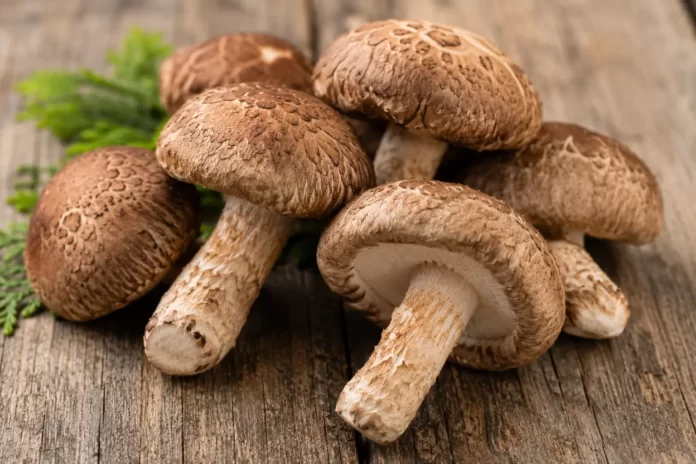
Shiitake mushrooms are one of the most popular edible mushrooms in the world. However, many people still wonder whether they are psychedelic. This confusion usually comes from the fact that some mushrooms do contain mind-altering compounds, especially so-called “magic mushrooms.” If you are new to the topic, it is important to understand that not all mushrooms work the same way.
The short answer is simple: shiitake mushrooms are not psychedelic. They don’t contain psilocybin, psilocin, or any other hallucinogenic compounds linked to psychedelic effects. Instead, shiitake mushrooms are widely used as food and are known mainly for their nutritional and medicinal properties.
What Makes a Mushroom Psychedelic?
To understand why shiitake mushrooms are not psychedelic, it helps to first understand what psychedelic mushrooms actually are.
Psychedelic mushrooms usually contain compounds called psilocybin and psilocin. These chemicals interact with serotonin receptors in the brain and can change perception, mood, and sensory experiences. People who consume these mushrooms may experience:
- Visual distortions
- Hallucinations
- Altered sense of time
- Emotional shifts
- Intense thoughts or spiritual experiences
These mushrooms are commonly called “magic mushrooms” and usually belong to mushroom groups like Psilocybe cubensis.
Shiitake mushrooms do not contain these psychoactive substances. Their chemical composition is completely different.
What Are Shiitake Mushrooms?
Shiitake mushrooms, scientifically known as Lentinula edodes, are edible fungi native to East Asia. They have been used for centuries in cooking and traditional medicine for their rich flavor and potential health benefits.
They are commonly found in:
- Supermarkets
- Asian grocery stores
- Restaurants
- Health food shops
- Mushroom supplements
One of the easiest ways to understand that shiitake mushrooms are not psychedelic is the fact that they are sold openly as food products in regular grocery stores. Psychedelic or psilocybin mushrooms are heavily restricted or illegal in many countries, while shiitake mushrooms are considered safe culinary mushrooms.
Do Shiitake Mushrooms Contain Psilocybin or Psilocin?
No. Shiitake mushrooms don’t contain psilocybin or psilocin.
Instead, they contain nutrients and compounds associated with general wellness, including:
- Polysaccharides like lentinan
- B vitamins
- Vitamin D
- Selenium
- Copper
- Antioxidants
These compounds may support immune health and overall nutrition, but they don’t alter your mental state or cause hallucinations.
This is one of the biggest differences between shiitake mushrooms and psychedelic mushrooms.
Can Shiitake Mushrooms Make You Hallucinate?
No. Eating shiitake mushrooms will not make you hallucinate or “trip,” even if you eat a large amount.
However, overeating shiitake mushrooms may still cause unpleasant side effects such as:
- Stomach discomfort
- Bloating
- Digestive upset
- Allergic reactions in sensitive individuals
These side effects are related to digestion and food sensitivity, not psychedelic effects.
What Happens if You Eat Shiitake Mushrooms Raw?
Some people mistakenly believe that eating raw shiitake mushrooms could somehow create psychedelic effects. This is false.
Raw shiitake mushrooms still don’t contain any psychoactive compounds. However, eating them raw or undercooked can sometimes cause a skin reaction called shiitake dermatitis, also known as toxin-flagellate dermatitis.
This condition may cause:
- Severe itching
- Red streak-like rashes
- Skin irritation lasting several days
Because of this, shiitake mushrooms should always be cooked properly before eating.
Even when raw, though, they still won’t cause hallucinations or psychedelic experiences.
Why Do People Confuse Shiitake Mushrooms With Psychedelic Mushrooms?
There are several reasons why this confusion happens.
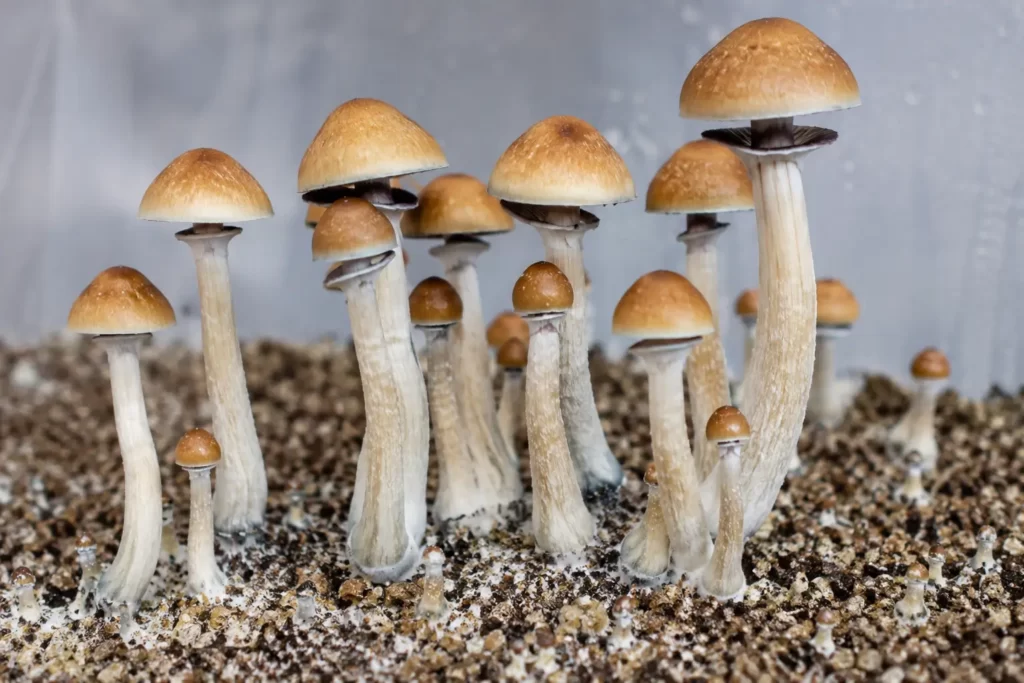
Mushrooms Are Often Grouped Together
Many beginners assume that all mushrooms have similar effects. Since psychedelic mushrooms are widely discussed online and in popular culture, people sometimes wonder whether other mushroom varieties might also be psychoactive.
Health Claims Create Confusion
Shiitake mushrooms are often described as “medicinal mushrooms” because researchers have studied their potential immune-supporting properties. Some people incorrectly associate the word medicinal with psychedelic or mind-altering effects.
Online Misinformation
Social media and internet forums sometimes spread inaccurate information about mushrooms. This can make it difficult for beginners to separate edible mushrooms from psychoactive species.
Are Shiitake Mushrooms Safe to Eat?
For most people, yes. Shiitake mushrooms are generally considered safe when cooked properly and eaten in moderation.
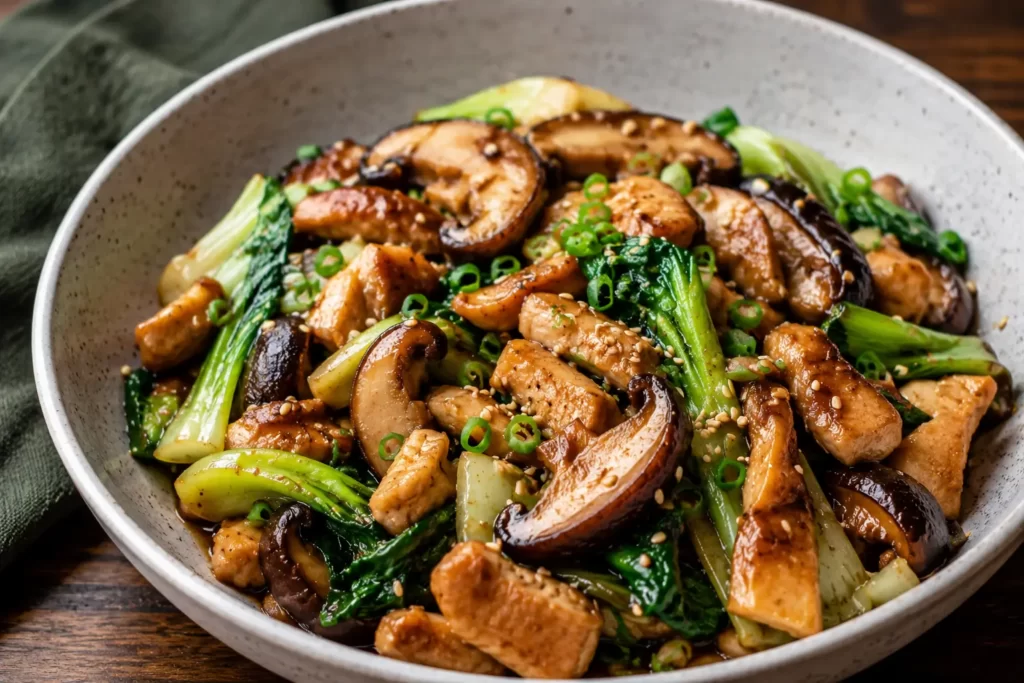
They are widely used in:
- Soups
- Stir-fries
- Noodle dishes
- Sauces
- Vegetarian meals
They are valued for their rich umami flavor and meaty texture rather than any psychoactive effect.
Some people choose to remove stems because they can be tough or chewy, even though they are technically edible.
Shiitake Mushrooms vs Psychedelic Mushrooms
Here are some simple differences between shiitake mushrooms and psychedelic mushrooms:
| Feature | Shiitake Mushrooms | Psychedelic Mushrooms |
| Psychoactive compounds | No | Yes |
| Contains psilocybin | No | Yes |
| Causes hallucinations | No | Yes |
| Sold in supermarkets | Yes | Usually no |
| Main use | Food and nutrition | Psychoactive experiences |
| Legal status | Legal food product | Restricted in many places |
This comparison makes it much easier to understand why shiitake mushrooms are not considered psychedelic.
Should You Eat Shiitake Mushrooms?
Shiitake mushrooms are not psychedelic and will not cause hallucinations, altered thinking, or “trips.” They don’t contain psilocybin, psilocin, or any other compounds associated with magic mushrooms. Instead, shiitake mushrooms are edible fungi commonly used in cooking and wellness products because of their nutritional value and flavor.
If you are interested in psychedelic mushrooms, it’s important to understand that only specific mushroom species contain psychoactive compounds. Shiitake mushrooms belong to a completely different category and are generally viewed as safe culinary mushrooms when properly prepared.
Just remember to cook them thoroughly, eat them in moderation, and buy them from reliable food retailers.