


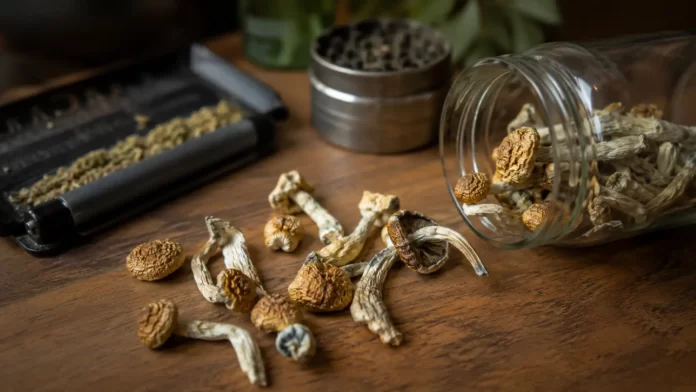
Psychedelic mushrooms, often called magic mushrooms or shrooms, contain the naturally occurring psychedelic compound psilocybin. Interest in these mushrooms has grown alongside research into their potential therapeutic uses, but recreational use still carries real risks.
One of the most common questions people ask is: Can you overdose on psychedelic mushrooms?
The short answer is yes, but not in the way many people imagine. Psilocybin has relatively low toxicity, making fatal overdoses extremely rare. However, taking a large amount can trigger severe psychological distress, dangerous behavior, and, in some cases, medical emergencies that require immediate attention.
What happens if you take too many psychedelic mushrooms?
Unlike opioids or alcohol, psilocybin doesn’t usually suppress breathing or cause fatal poisoning at typical recreational doses. Instead, taking too much is more likely to result in an overwhelming psychedelic experience rather than a toxic overdose.
An intense dose may cause:
- Severe anxiety or panic
- Frightening hallucinations
- Confusion and disorientation
- Paranoia
- Loss of coordination
- Nausea and vomiting
- Increased heart rate and blood pressure
For many people, these symptoms last between 6 and 8 hours, although some emotional effects may linger into the following day.
While most people recover without lasting physical harm, impaired judgment during an intense experience can increase the risk of accidents or self-injury.
Can you die from a psilocybin overdose?
Current evidence suggests that death from psilocybin toxicity alone is extraordinarily uncommon.
Psilocybin has a very wide safety margin, and scientists estimate that the amount required to reach a lethal dose would be far greater than what a person could realistically consume. In practice, nausea and vomiting would likely prevent someone from ingesting such an enormous quantity.
That said, deaths associated with mushroom use have occurred under other circumstances, including:
| Situation | Risk |
| Consuming poisonous wild mushrooms | Can cause organ failure and may be fatal |
| Dangerous behavior during a bad trip | Falls, drowning, traffic accidents, or self-harm |
| Mixing mushrooms with alcohol or other drugs | Can increase medical and psychological risks |
| Pre-existing medical or psychiatric conditions | May worsen complications |
In other words, the greatest dangers are often indirect rather than caused by psilocybin itself.
What is the difference between a bad trip and an overdose?
People often use the terms interchangeably, but they are not exactly the same.
A bad trip is an intensely unpleasant psychedelic experience characterized by fear, panic, paranoia, or disturbing hallucinations. An overdose generally refers to taking enough mushrooms that these effects become overwhelming or medically concerning. A bad trip may include:
- Intense fear or panic
- Feeling trapped in the experience
- Distorted perception of time
- Paranoia
- Visual or auditory hallucinations
- Confusion
An overdose may involve all of the above, plus more serious symptoms such as persistent vomiting, dangerous agitation, seizures (rare), or psychosis requiring medical intervention.
Why mushroom potency is unpredictable
One challenge with psychedelic mushrooms is that there is no standard dose.
The amount of psilocybin can vary dramatically depending on factors such as:
- Mushroom species
- Growing conditions
- Storage methods
- Whether the mushrooms are fresh or dried
- Individual differences in metabolism and body weight
Two mushrooms that look nearly identical may contain significantly different amounts of psilocybin. Because of this variability, people sometimes consume far more than intended.
Other health risks to consider
Even though psilocybin itself has low toxicity, several other risks deserve attention.
Poisonous mushroom misidentification
One of the most serious dangers is accidentally eating toxic mushrooms that resemble psilocybin-containing species.
Some poisonous mushrooms can initially cause stomach upset before progressing to severe liver or kidney damage hours later. If someone develops delayed symptoms after eating wild mushrooms, you should immediately seek emergency medical care.
Underlying mental health conditions
Psilocybin may worsen symptoms in people with conditions such as schizophrenia or bipolar disorder, particularly if psychosis is already present or there is a family history of these disorders.
Researchers continue to study who may be at higher risk, but most clinical trials carefully screen participants to reduce these complications.
Unknown or contaminated products
Mushrooms purchased from unregulated sources may not always contain what they claim.
In some reported cases, products sold as psychedelic mushrooms have contained other substances instead, including synthetic drugs or different hallucinogens. This makes the effects even less predictable.
What should you do if someone takes too many mushrooms?
If someone is experiencing an overwhelming psychedelic experience, remaining calm can make a significant difference.
Move the person to a quiet, safe environment away from traffic, heights, or other hazards. Reduce loud noises and bright lights, reassure them that the effects are temporary, and stay with them if possible.
Seek emergency medical help immediately if the person:
- Becomes unconscious
- Has difficulty breathing
- Experiences seizures
- Is violent or impossible to calm
- Appears to have eaten poisonous wild mushrooms
- Is at immediate risk of harming themselves or others
Medical professionals generally provide supportive care until the effects wear off. In severe cases, medications may be used to reduce agitation or psychosis.
Are psychedelic mushrooms addictive?
Psilocybin is not considered physically addictive, and it doesn’t typically cause withdrawal symptoms seen with substances such as opioids or alcohol.
However, some people may develop problematic patterns of use, particularly if they repeatedly use mushrooms to cope with emotional distress or escape difficult situations.
Repeated use also leads to rapid tolerance, meaning larger amounts may be needed to produce the same psychedelic effects. This increases the chance of unpleasant or overwhelming experiences.
The bottom line
Although you can overdose on psychedelic mushrooms, the term usually refers to an extremely intense psychological experience rather than fatal poisoning. Psilocybin itself has relatively low toxicity, and deaths directly caused by overdose are exceptionally rare.
That doesn’t mean mushrooms are risk-free. Taking large doses can lead to panic, impaired judgment, dangerous behavior, psychosis, and medical emergencies. Additional risks include accidentally consuming poisonous mushrooms, using contaminated products, or combining psilocybin with other substances.
Anyone experiencing severe symptoms, or anyone who may have eaten an unknown or wild mushroom, should seek emergency medical attention immediately. Understanding these risks can help people make informed decisions and recognize when prompt medical care is necessary.