


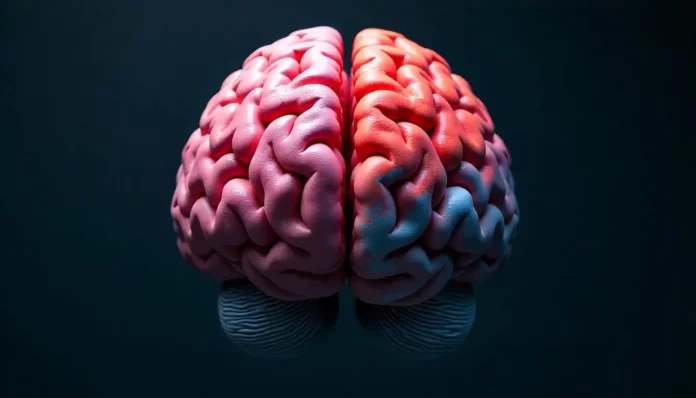
A new theory from Ohio State University, called HEALS (Hemispheric Annealing and Lateralization Under Psychedelics), proposes that psychedelics change how the brain’s hemispheres interact. Typically, the left hemisphere takes the lead in everyday tasks, focusing on details and logic. Under psychedelics, the right hemisphere, associated with big-picture thinking, emotion, and creativity, may temporarily take over.
Why the Right Hemisphere Matters
The right hemisphere plays a key role in:
- Empathy and social connection
- Creativity and imagination
- Broad, holistic thinking
- Emotional insight and flexibility
Researcher Adam Levin believes that these traits often become stronger during a psychedelic experience. This matches reports from users who describe feeling more connected, open, and aware during their sessions.
Evidence From Brain Scans
Neuroimaging studies reviewed by Levin show:
- A shift in brain activity toward the right hemisphere under psychedelics
- More energy use in the right frontal lobe, which supports emotional and social functions
These brain changes align with the emotional and cognitive effects often reported during psychedelic states.
Similarities With Meditation
Interestingly, the effects of psychedelics on the brain resemble those seen in mindfulness and meditation. Studies have shown that long-term meditation can strengthen right-brain networks and even increase brain thickness in certain areas. Psychedelics, even after one or two uses, may trigger similar changes, at least temporarily.
What This Means for Mental Health
This shift toward right-hemisphere activity might explain why psychedelics are being studied as tools to:
- Boost mindfulness
- Improve emotional balance
- Enhance creativity and problem-solving
- Support healing in therapy settings
The HEALS model adds to other theories of how psychedelics affect the brain. It doesn’t replace them, but it helps explain some of the emotional and cognitive shifts people report during and after psychedelic use.
A Growing Field of Research
As psychedelic research expands, scientists like Levin are looking deeper into how these substances influence the brain. HEALS is one piece of a larger puzzle that could help us better understand consciousness, mental health, and the brain’s full potential.